🌐 Building Trust in the Digital Age: The Blockchain Revolution
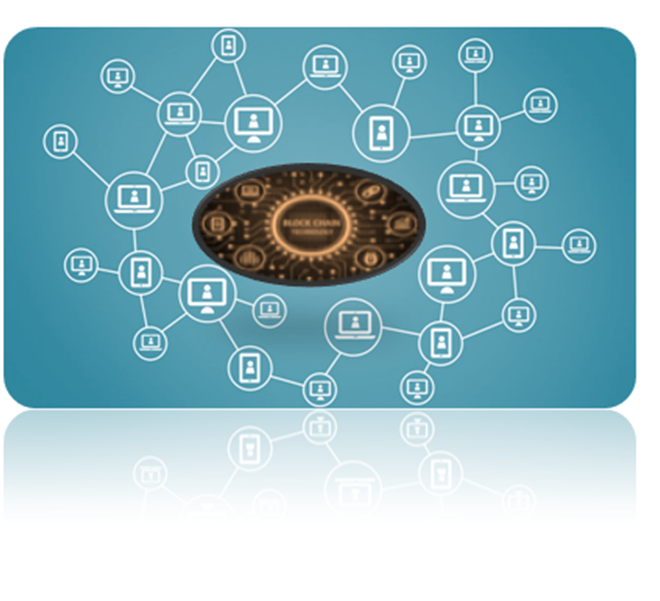
💡 Click to view the blockchain infrastructure.
🚀 2026 Trend: Blockchain beyond Crypto
2026 में, ब्लॉकचेन केवल क्रिप्टोकरेंसी तक सीमित नहीं है। अब Supply Chain Transparency और Self-Sovereign Identity (SSI) जैसे क्षेत्रों में यह तकनीक रीढ़ की हड्डी बन चुकी है। जहाँ पहले हम 'इंटरमीडियरी' (बिचौलियों) पर भरोसा करते थे, वहीं अब एल्गोरिदम आधारित 'Computational Trust' ने उस जगह को ले लिया है।
🛡️ The 5 Pillars of Blockchain Trust
Blockchain technology creates a new paradigm of trust through these five essential features:
- Distributed Database: Every party holds a copy of the entire history. No single entity owns the data, ensuring true democratization.
- Peer-to-Peer Transmission: Communication happens directly between peers. We no longer rely on slow, centralized servers.
- Transparency with Pseudonymity: Every transaction is visible to the network, yet individual identities are protected behind secure alphanumeric addresses.
- Irreversibility of Records: Once a block is added, it is linked to the previous one—making it impossible to tamper with past records.
- Computational Logic: Transactions are programmable. Rules are enforced by code, not by humans, ensuring 100% compliance.
📚 Deep Dive into Blockchain & Web3 (Amazon India):
The Truth Machine
A deep look at how blockchain can restore trust in the internet age.
📌 संबंधित लेख (Explore More):
❓ Frequently Asked Questions (FAQs)
Yes, due to the chain of cryptographic links, records on a blockchain are immutable and irreversible.
Blockchain offers "pseudonymity." While your transactions are public to the network, they are linked to an alphanumeric address rather than your real-world identity.
⚠️ Disclaimer: This content is for educational purposes. As an Amazon Associate, I earn from qualifying purchases.
Comments
Post a Comment